So I know there has been a ridiculous amount of time between entries. I would like to try to claim third world extenuating circumstances, but the truth is that I actually sort of managed to get busy; and it has my host family incredibly worried about me, “Erline (they cannot pronounce my name without putting an L in it) tiene que descansar, est’ cansada.” (Erin, you need to relax, you’re tired.) Hondurans are very serious about taking time off to relax. If I work more than three hours straight, “Erline, debe ir a la casa y descansar, estaba trabajando demasiado.” (Erin, you should go to the house and relax, you have been working too much.) I wonder how well it will go over with my Columbia professors when I explain that I didn’t finish an assignment because I spent three hours working on it and then had to go relax.
Last week I had the honor and the pleasure of getting to drag my parents all over the country. They arrived in San Pedro Sula (one of my least favorite cities in Honduras, could be accurately described as the industrial armpit of the country, located at sea level and inland, it’s hot, muggy, crowded, and expensive). I checked us into Hotel Bolivar — riding in an elevator for the first time in three months — check. (I maintain that elevators really are kind of weird and scary.) It was only thirty dollars a night and it had hot water. First completely warm shower in more than three months — check. The sheets and towels were slightly below my mother’s standards. Blowing chunks in Honduras — check. San Pedro Sula has always sort of made me want to barf, and this time I did actually succeed in spewing, though I think it was actually more than likely due to the virus I got from my ex-housemate right before she left. So I spent Sunday morning lying in bed complaining that I was surrounded by doctors and no one could do anything to make me all better.
I rallied in the afternoon though and lead my parents to Tela on the express bus, which was less than four dollars a person, though very overcrowded and pretty hot. Tela is a delightful coastal town full of character. My parents decided that between the sheets at Hotel Bolivar, my vomiting, and the bus ride down we deserved a bit of pampering and put me up at the Telamar resort — very posh, and the location of my second and third warm showers in Honduras. I took my parents on my favorite guided tour though my favorite national park in Honduras. We did get to see howler monkeys from the boat and they had a lot to say about us being there, especially when we revved the boat’s engine and sent them into a frenzy. The tour also included some terrific snorkeling. It took my dad a while to work is way into the deep water because he was still scarred from his last snorkeling expedition during our cruise two years ago. That time, the guides had sent us out into an incredibly strong current and once we had realized that the visibility was too poor to make snorkeling worth while and tried to get back to the boat, we almost couldn’t make it back. We even sent up signals for the international sign of distress, but we couldn’t quite remember what it was and our guides were too busy jumping in and saving everyone else. My grandpa had also snorkeled on that trip and once my dad and I had clawed our way onto the boat, finally caught our breath and stopped shaking we looked around and realized that the only person that wasn’t back yet was my 80 year old grandfather. We saw him swimming close to the boat and motioned for him to return. He steadily swam back to the ladder and climbed up (flippers still on). Once he had gotten up the ladder, in his flippers, he spit his snorkel out and said, “sure were some pretty fish.” That story causes my mom to remind me that I come from some very good stock. Anyway, no currents this time and once my dad finally got out there we had a great time looking at the tropical fish and examining two buried cannons left over from the peninsula’s days as a pirate hide-away. We also saw a huge barracuda, which I found slightly discomforting. Our guide explained, “Those ones do bite and when they are camouflaged like that it means they are about to attack.” I thought it was a good time to head back to the beach for lunch.

Mom and I waiting for the bus to Tela
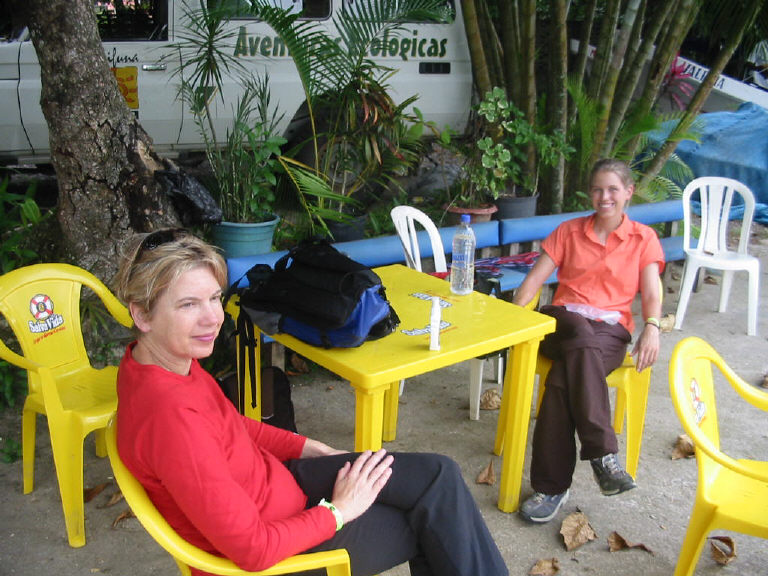
Mom and I waiting for the jungle tour

Dad returning from the jungle tour.
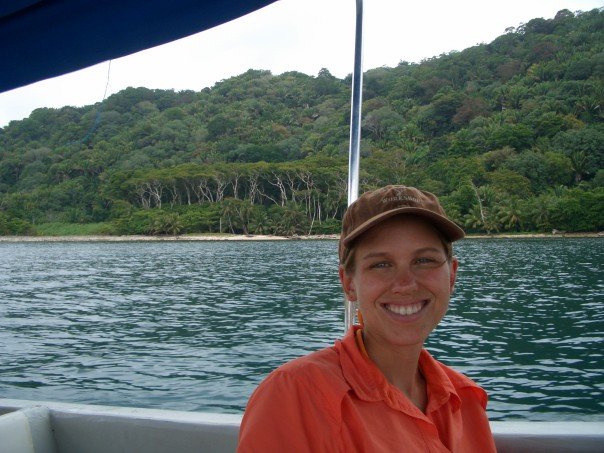
Me with pretty trees used for firewood and drums
After two days relaxing by the beach we headed back across the country to La Esperanza, where I kept my parents “United-states-busy,” according to my mom. As soon as we arrived in La Esperanza we rushed to my host-family’s house for a special dinner. Wednesday morning I took them out to Yamaranguila to the home for girls to do some well-checks. Mom even got to answer some questions about chagas (I had warned her to study up on it.) We returned to La Esperanza in the afternoon and in the few off hours we had, I showed my parents to my favorite smoothie bar and Internet cafe, where my dad tried one of the famous brownies. A North American woman cooks deserts for the Internet cafe to sell. When she saw all of us North Americans in there she made us brownies. The old Honduran woman who sells them at the Internet cafe came up to me, “Tenemos brown! Tenemos Brown!” (We have brown! We have brown!) I was a bit confused until she showed me the chocolate-chip filled deliciousness. They have since become a staple in my Honduran diet. Dad enjoyed them too. In the afternoon we went to the INFA center, the daycare in town for children with only one parent. My parents checked out the kids as their parent’s came to pick them up. My parents got a small taste of some of the illnesses of poverty that effect kids here. They did some great work though giving out some donated amoxicillin, diaper rash cream, and toothbrushes. They did have to refer one case of gangrene to the hospital and realized we were a bit short on anti-lice and anti-scabies medications. My parents had so much fun that they had at least one of the peace corps volunteers who came to help us translate thinking she wanted to be a doctor by the end of it. We went to see some local traditional dancing Wednesday night and my parents had so much fun they could barely stay in their seats. My dad spent Thursday seeing pediatric neurology patients at the hospital and working on convincing two other peace corps volunteer translators to go into pediatric neurology instead of saving the world. My mom and I anxiously tried to get a system going and keep it on schedule. Dad did change the drugs for one kid with generalized epilepsy who was still seizing a couple of times a day and prescribed Ritalin to about 10 students. Rumor is that the families have actually managed to order the Ritalin from Tegus (the capital city) and I have a feeling that La Esperanza will have much better students in the coming months. On Friday my parents watched me work and helped me with the diabetics club meeting. They had brought about 30 donated glucometers to give to the club members and we had an adventure trying to figure out how to use them all and then teach the diabetics to use them in Spanish. I think our highest reading was 276, dad looked at him and shouted, “And we have a winner!” Hopefully the glucometers encourage a better level of diabetes control. Then my parents watched me give the food the the women at the Albergue and deliver some quick versions of my chats on nutrition during pregnancy, birth control and breastfeeding. I realized giving the talks how much I enjoyed my work there talking and laughing with the women. I find it so rewarding when a woman who is having her second child is thinking about having the sterilization operation after giving birth, or a woman who is just having her first child blushes, shrugs and tells me that she is going to plan with the depo injection. I am working on getting everything set up for this program to continue once I am gone and have made some good progress. I hope to have a somewhat sustainable system (that is not dependent on me) set up by the end of this week.
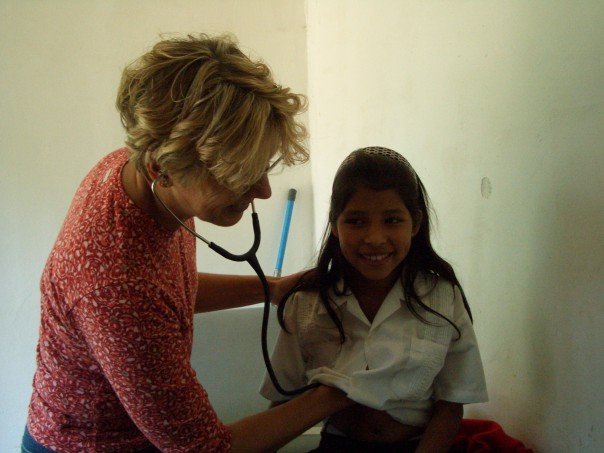
Mom doing well-checks at the home for abused and neglected girls
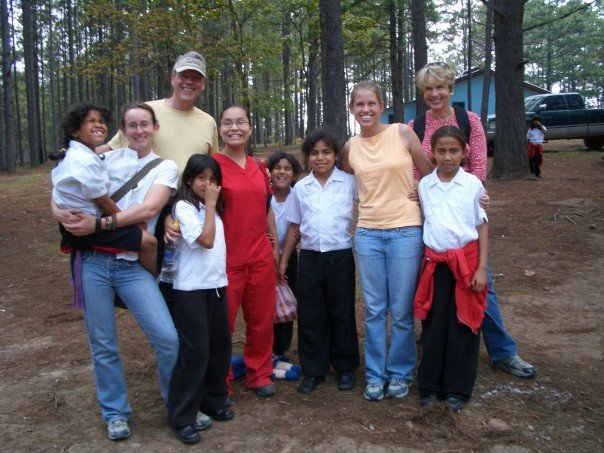
All of us at the home for girls
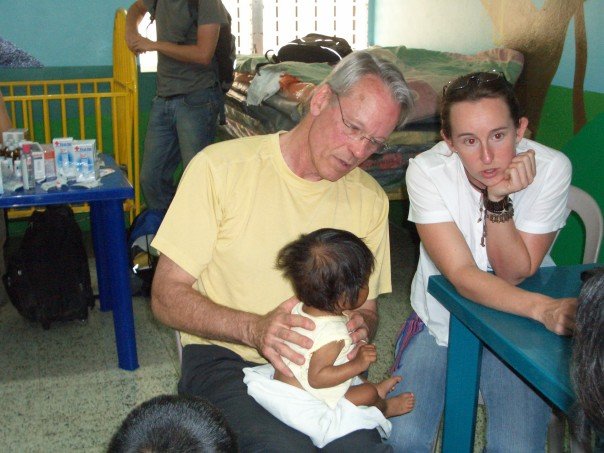
Dad examining a severely malnourished one and half year old at the INFA center

Raulito

Dad cleaning a wound

New toothbrushes!

Me at the Albergue

Women laughing at the Albergue
On Friday I dropped my parents off in San Pedro Sula because I didn’t want to make them travel by themselves, and because my mom bribed me with a night in the Hilton. Getting my taxi driver to chase down the bus to San Pedro once the bus had already pulled out of the station in La Esperanza –check. The driver pulled in front of the bus so that it had to stop and the bus drivers jumped out to help us with our bags. I thanked the other woman in the taxi for letting us chase down the bus and she said not to worry because she thought it was exciting. As the bus employees helped to get our bags underneath the bus my dad began unzipping his small backpack off his larger bag. The bus people stared at him confused but when his small backpack came off they laughed hysterically at the handiness and high-techiness of my dad’s bag. I think it made their day as well as my dad’s. I enjoyed the best shower yet at the Hilton. I sent my parents off on the airport shuttle at five in the morning and I slept in, took a nice warm bath, and enjoyed a morning full of zen watching CNN and eating strawberry-peach waffles in bed (ordered from room service and put on my dad’s credit card). I spent last night in La Esperanza trying to get back into my old routine. I jumped in the shower for a quick freezing cold wash after having been on the buses all afternoon. I got my hair well lathered up just in time for the water to quit. I guess it figures that in a country with such unreliable water and electricity one would eventually get caught soapy in the shower. Filling a bucket of water from the pila in my towel — check, and I think the site made our housekeeper’s night.
I am going to spend the next week getting my projects set up in town to run without me and anxiously waiting for me boyfriend to arrive.
Posted in Honduras, Public Health, Travel | 2 Comments »
Last weekend I escaped to Utila once again. Utila is one of the three major islas de la bahia off the coast of Honduras. I spent a very busy two and half days getting my Open Water Diver certification. I started the adventure partly out of an act of love, to learn one of my boyfriend’s favorite hobbies, but I have since become addicted. I learned all the basics, how to set my gear up and put it on (arguably one of the hardest parts), how to calculate nitrogen levels in my body, how to recover my regulator, how to establish a shaky buoyancy, how to do a controlled emergency assent, and most difficult of all, to breath through my regulator while recovering my mask. I have no idea why it is so hard to breath through ones mouth while you take your mask off, but it is apparently challenging for lots of people, or at least that is what my instructor told me to make me feel like less of a wimp.

Bay Islands College of Diving
When I told the instructor at the school that I had to finish the certification by the early ferry on Tuesday to get back for a meeting in my town he said that it was the first time in 9 months that he had heard of someone having to get anywhere for a meeting at a specific time. The meeting was going to be held at the Centro de Salud to discuss the Albergue and methods to help my work continue there. I got back to La Esperanza just in time to take a shower and get to el Centro to learn that the meeting, in typical Central American fashion, had been cancelled. It was the day in honor of workers here, the first of May, and therefore the meeting was cancelled but has not been rescheduled yet. Apparently the entire world, including most of Europe and even Pakistan, celebrates the first of May to honor the working class. It is too communist a holiday for the States.
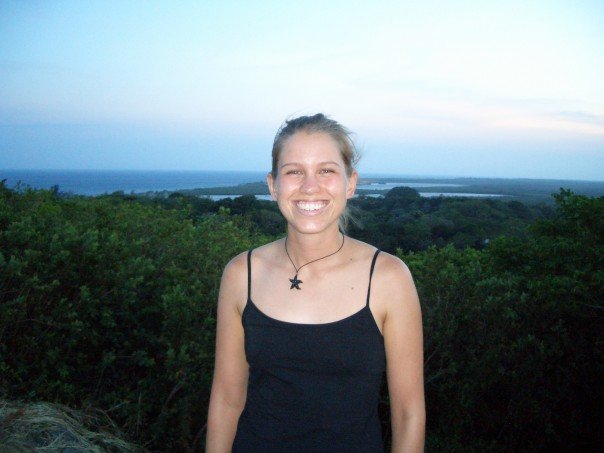
Sunset from the watertower on Utila
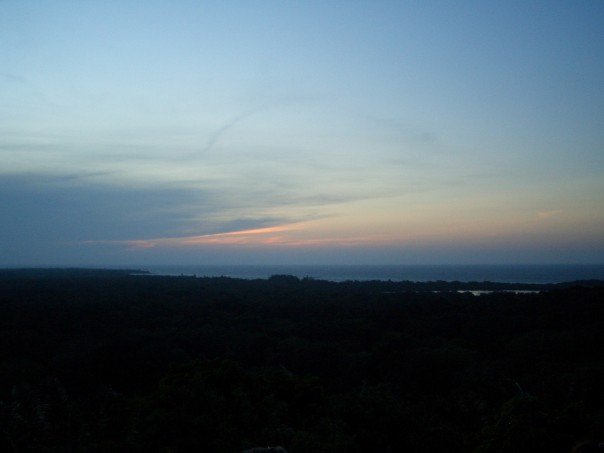

Coast of Utila
The biggest news since I got back was getting to see a birth at the hospital this week. It was basically too amazing an experience crammed into too short an amount of time to really be able to absorb it all. There are only two delivery beds in the hospital and by the time the woman walked from the labor room to delivery and got herself settled on the bed, she had one contraction, and then on the next one the nurse told her to push. The doctor hadn’t yet arrived but the nurse told me to tie a mask on her face because she was going to deliver the baby. The nurse caught the baby just as I finished tying the mask.
I have been busy since I returned getting caught up at the hospital, buying food and giving my charlas at the Albergue, and leading the diabetics club. Or at least it feels like I have been busy. I wonder if I have just adjusted the amount I feel like I should get done in a day to the pace of life here. I sometimes look up at the clouds and feel like they are moving really quick and then wonder if maybe they just seem like they are moving fast because everything here is moving slowly. We have had continual brown outs and rolling blackouts since I got back and that hasn’t helped with the productivity level. I think that I also feel like things are moving fast as I realize that my time here is winding down. My parents arrive next week for a trip to the beach and then to do some free doctoring in areas that need it most. And my boyfriend arrives in 25 days (but who’s counting?) to enjoy my last ten days in Honduras with me. I have been trying to take some time to recognize and enjoy all of the things that I will miss about Honduras, like five dollar three-course meals (I think those will be hard to come by in New York City), oranges with salt for sale for a nickel on every street corner, licuados, women carrying tortillas, vegetables, and lord-knows what else on their heads as they walk to the market, being able to speak Spanish whenever I want by just walking into the kitchen, people getting around in wooded carts pulled by mules, bananas for sale right off the stem of the tree, men wearing cowboys hats because they are actually cowboys, not because they are making a fashion statement, people hauling wood in carts pulled by two oxen tied together at the horns, baleadas, not being expected to bath everyday, strong Honduran coffee always waiting on the kitchen table, fifty cent mangoes and fifty cent pound bags of strawberries, unripened mangoes in chili sauce and salt, and I think I might even miss the roosters singing as the faintest light enters the morning sky.
I guess that is all for now, I am going to try to get a few other things done, perhaps even try to bathe, before the power cuts again.
Posted in Honduras, Travel | 1 Comment »
I have been hanging out in La Esperanza the past couple of weeks and I have some stories to tell. The first weekend post-Costa Rica trip I went on a hike with my host family to a neighboring town, Yamaranguila. The five year old walked for 3 hours with minimal complaints, though I did end up carrying her backpack, which she had insisted on bringing. We got some great views, good mangoes, and got to see the biggest cactus ever in a pine forest.

Host family hiking to Yamaranguila

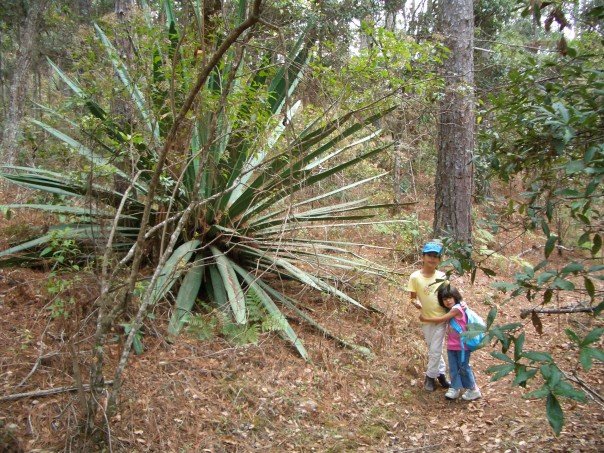
the biggest cactus ever in a pine forest
The second weekend in town I spent Saturday night on top of the shrine to the virgin mary drinking beer and looking out at the city with my fellow ex-patriots. Then I had an amazing Sunday enjoying life in La Esperanza. I slept in (until about 8:30) then got up and read my book in the shade, drinking more of the strong Honduran coffee than I should probably ingest on a regular basis. My host family invited me out to lunch with them at one of the best restaurants in La Esperanza and I got to spend a couple of hours enjoying amazing food and the fact that I could comfortably sit at a table around which everyone was speaking Spanish, and actually understand what was going on. After lunch we went to Yamaranguila a second time, this time to celebrate a 15 a’os birthday party (the Hispanic version of our sweet 16). The birthday girl was living at a home for girls in the woods outside of Yamaranguila. Someone had reported to my host dad that the girl and her sister were being neglected (they were two children out of 18). So my host dad had taken them in his jeep out to this home opened by some missionaries and soon after completed the paper-work with their family to get their custody transferred to the home. Both girls seemed happy and healthy, and it was nice to get a small window into a story with such a happy ending. The home that was opened by the missionaries is a a really cool project and is helping some of Honduras’s most needy girls. They are looking for volunteers, particularly English teacher-types and doctors or nurses. They have a school and a medical clinic on site. They can provide room and board for single woman or married couples. It is a religious organization so there is a bit of praising God and thanking Jesus, but as long as that is something that you are alright with, it would be a great volunteer opportunity. I spent the evening emailing my boyfriend and eating a brownie at the Internet caf’. That’s right, brownies, in La Esperanza. A north American woman (bless her soul) cooks deserts for the caf’. After seeing all of us North Americans in the caf’, she made a batch of brownies, knowing we would love it, and we do. When I walked into the caf’ the grandma behind the counter kept telling me, “We have brown, we have brown.” I was only confused for a second. Afterward I went and drank a couple of beers at the home of one of the English teachers in town and marveled at on of the best Honduran Sundays.
My work at the hospital continues to go well and I have added some pictures of some of my educational work at the Albergue to my post asking for donations. You can see the pictures by going here. I have also taken a few days the last couple of weeks to go up to the construction sites in the hills of the western highlands of Honduras, just to do some physical labor. So that at the end of the morning I can look down at a pile of dirt or mud, a stack of bricks, or a row of logs and know that I helped move it. This morning was one of the hardest days of work so far. We spent three and a half hours moving logs from where they were being cut and shaped at the bottom of a hill to the top of the hill where the house is being built. The work was well worth it though. It is one of the daughter’s birthday today and in her honor, the family had slaughtered one of its bulls. We got to eat some of the meat for lunch. It was some of the best meat I have ever had and that is coming from a semi-vegetarian. There was something about eating the meat of an animal as its upside down corpse dripped blood onto the dirt floor of the house, it was an interesting cultural experience. The family who’s house we worked on today is currently living in one of the most run-down and cramped houses I have seen, complete with a dirt floor and a leaky roof, and it was terrific to be able to help them out. I did feel a bit guilty about eating meat with children around with the red hair and swollen bellies of kwashiorkor, but it was also impossible to refuse. We rode down the mountain in the back of Pablo’s truck. Pablo’s truck probably deserves an entry of its own, but the bed is as leaky as the family’s roof and it has basically no shocks, back-fires constantly, and still makes the trip. It is also from Colorado, or at least that is what I have extrapolated from the bumper sticker.

the old house

five people sleep here
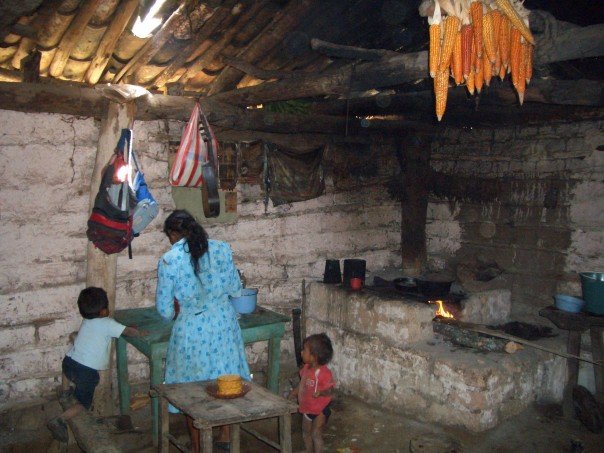
five people live here
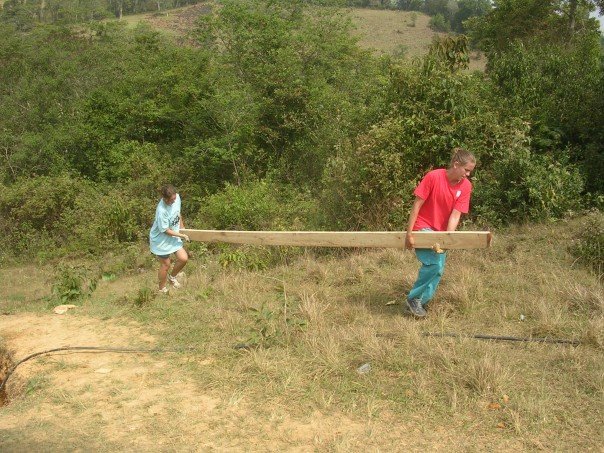
Carrying wood up a mountain
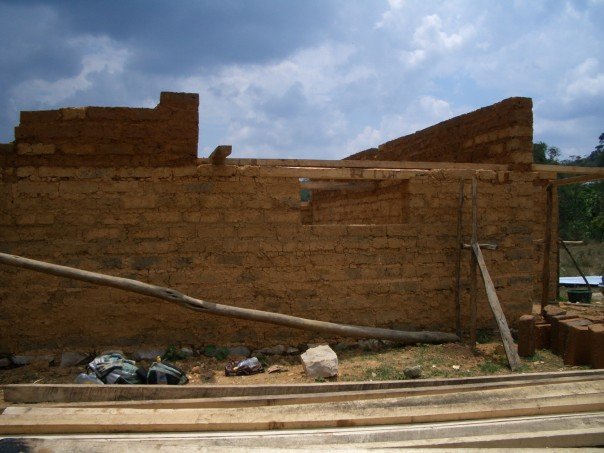
the new house

the bull
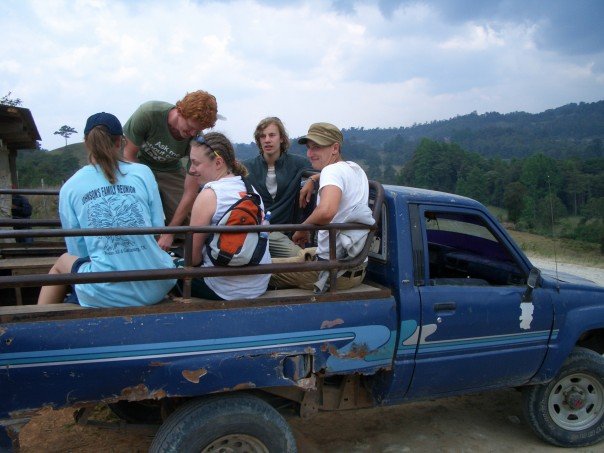
Pablo’s truck

KBPI Rocks the Rockies
I have gone through a period of homesickness this past week. I see some things here and wonder if things can ever get better, if volunteers could ever do enough, or if they ever do anything at all. I went on a run this week (my first since I have been here and I am still sore from it). I saw a woman gathering firewood to cook dinner with her three kids running naked from the waist down on the path behind her. I looked over and waived and smiled. She smiled back and it took my oxygen-deprived brain (La Esperanza is at a slightly higher elevation than Denver) to realize that something was wrong. She had two black eyes, one new than the other, and one side of her face was too swollen to smile through. I slowed my pace and gradually came to a stop. I figured I would at least go introduce myself and ask how she was. Then I saw a man emerging from the bushes beside me. He was walking quickly towards me, menacing, and with a machete on his built. I shook my head and with a pang of guilt kept running.
And then there was a woman in one of the rooms where women wait after giving birth. She had some sort of complication and began to bleed profusely. The woman had been taken out of the room but blood still laid soaking through her blankets and the hospital mattress and covered the floor of the room that five woman were still using to recover. Hospital staff walked through the mess and took a snack break.
The laboratory only takes samples between 6:30 and 7:30am. When people arrive late, even when they have traveled up to 5 hours on a bus to get there, they are often turned away and told to come back the next day.
But then, when I was taking a moment of zen this week to sit in the sun and drink some coffee, some health volunteers came by the house and shouted up at me, “Do you have any children under five at the house?” I explained that they had already been vaccinated and they thanked me and continued on their way. This week was the national campaign of vaccination. Every child under five was required to report to one of the many vaccine stations around town for vaccination. Police are known to come looking for the parents of some children who fall behind on their vaccinations. I had tried to help out with the vaccine campaign earlier in the week, and I did give a couple of doses of oral polio, but in the end, there were already sufficient numbers of Honduran volunteers, and that makes me feel like maybe Honduras will be able to pull its way, at least partly, out of this mess.
Posted in Honduras, Public Health, Thoughts, Travel | 1 Comment »
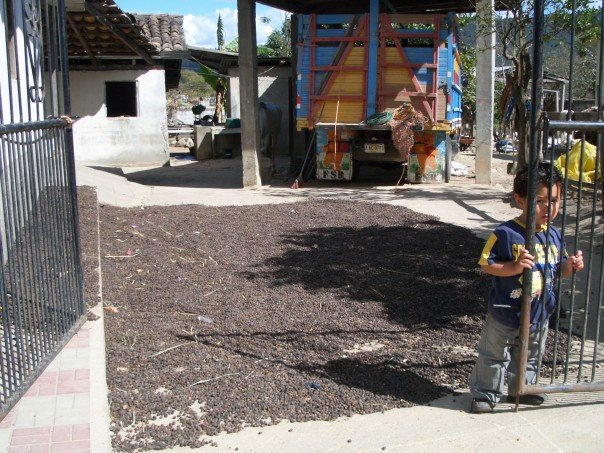
Does not seem to have anything to do with the fires they show on Folgers commercials.
So, after my last post on my adventure in Costa Rica, I felt like it would be a good time to discuss some of the work I have been doing here in order to convince everyone that I am not just sitting in hammocks and swinging through canopies.
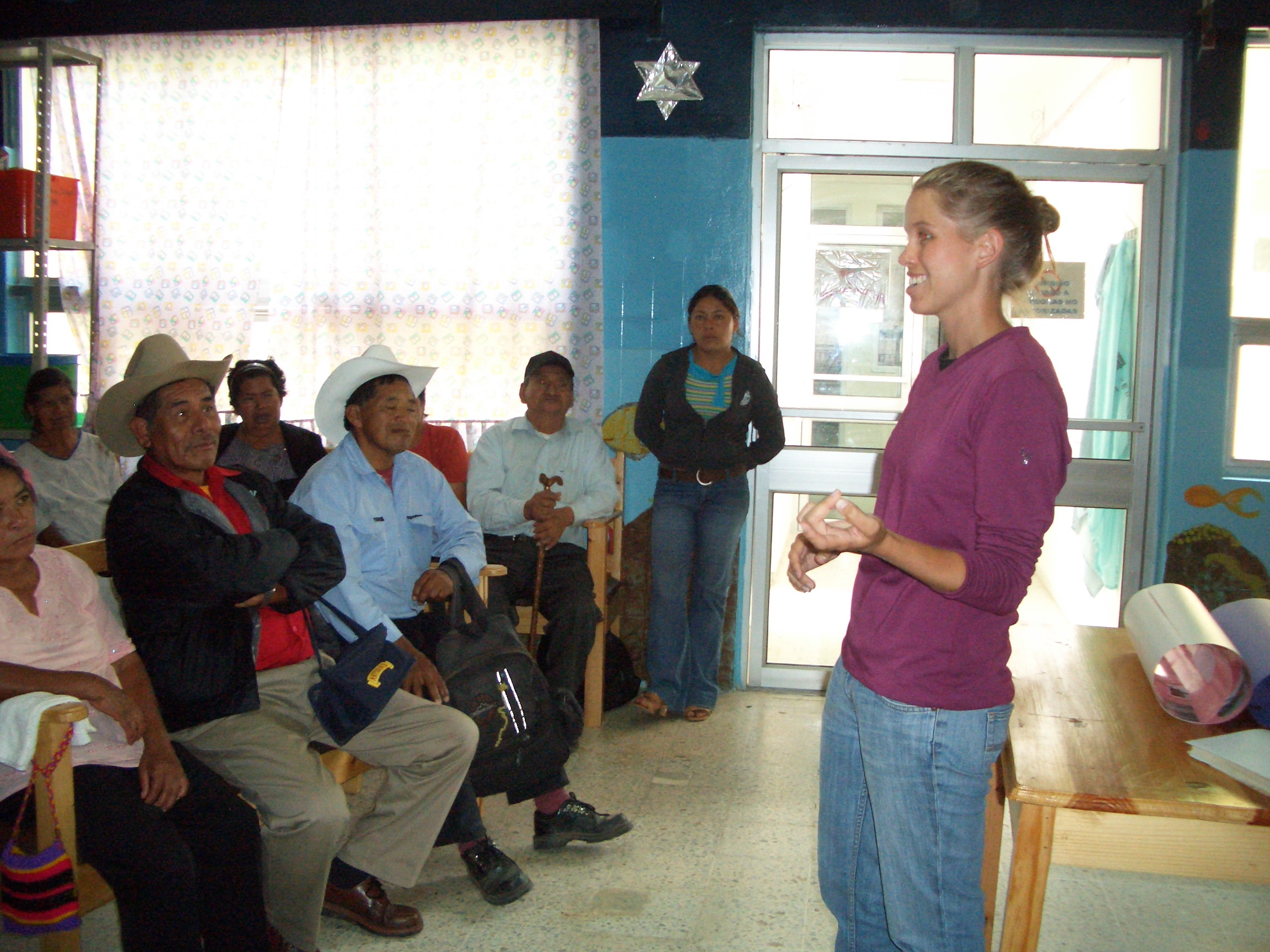
Along with my work at the Albergue, I have also started a Diabetics Club. I knew almost nothing about diabetes before I got here, but the lab director mentioned that there was a large need for educational charlas on diabetes at the hospital. So I did some web research, made some posters, and now we have a group of about 30 diabetics meeting each week at the hospital. I primarily discuss diet and exercise, and we are going to bring in guest speakers such as doctors, nutritionists, psychologists, microbiologists, etc. to speak to the club. One of the nurses at the hospital has taken an interest in the project and is volunteering her time to come to the meetings and help organize the club. She will make sure that it continues once I am gone. Only one of the 30 club members has her own glucometer. The other diabetics must come to the hospital to get their blood drawn and checked any where from once a month to once a day. There are some people working on getting some glucometers donated to the project, and I bet they could use some pictures, so here they are.

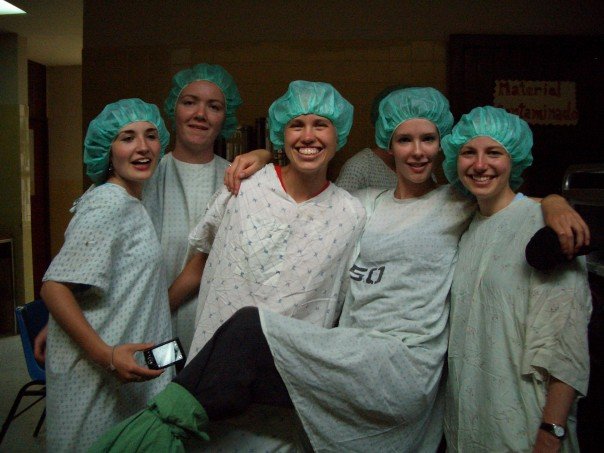
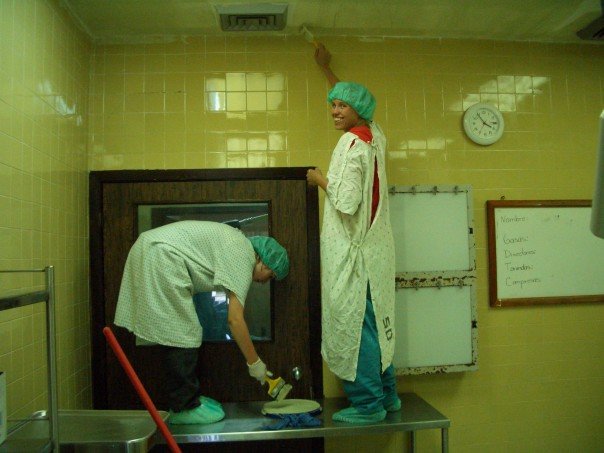
The roof on the hospital leaks, and therefore, there are water marks all over the ceilings and walls of the hospital. The hospital was considering trying to repair the roof, but they have decided that they will likely expand the hospital by building vertically, which will, eventually, fix the problem of the leaking roof. However, a temporary waterproof roof has been donated to the hospital to put over the operating rooms to prevent water-born bacteria from growing on the walls and ceilings in the operating area. So, the hospital needed someone to repaint the ceiling in the operating room and we have been working on it over the past couple of weeks. They still need some more work, but I think the pictures are worth it, just for our outfits.
The work at the Albergue continues to go well and I am working on finding some way for the project to continue once I am gone. Thank you all again for your donations to that project.
Posted in Honduras, Public Health, Travel | 2 Comments »
It’s not the first 20 hours of a bus ride across Central America that really gets to you, its the last 5.
The week before last was Semana Santa in Central America. A week in which virtually no one has work and everyone celebrates a week long party in honor of Easter. In honor of the occasion, I decided to make a pilgrimage to Costa Rica to visit an old college friend. And, due to the buses being a tenth of the cost of a flight, I wanted to go by bus. Time is something I have, while money is harder to come by, plus I figured it would be a good way to see some more of the countries of Central America. Nick (the only other volunteer who thought that a 25 hour bus ride to Costa Rica sounded like a good idea) and I had spent the first evening of our adventure in Tegucigalpa (Teg, Tegus) , Honduras’s capital city. Monday we made our way to Managua (the capital of Nicaragua.) Crossing into Nicaragua went incredibly well and we were only charged 4US dollars more than it should have cost to enter the country, which wasn’t too bad I thought, considering that while standing at the border crossing I admired a nice plaque honoring the soldiers that had died in the war against America. Nicaragua is “una tierra de largos y volcanes.” And even from the bus it was striking. However, the part of the city of Managua that surrounded the bus station was not as charming. As soon as we existed the bus station we were surrounded by boys trying to lead us to the hotels that would give them a commission for bringing in the gringos. About 5 of them surrounded us, touching us, and our bags, and they even walked into the hotel that was recommended in the guidebook and said it was full (which it was not). Once we managed to check into the hotel that was not full, and put our bags in our clean and exceptionally well guarded room, it was dark. There were signs everywhere warning tourists that if they needed to go to an ATM, they had to take a taxi because it was too dangerous, even in daylight, to walk down the street with a pocketful of money. Nick and I had both changed about the equivalent of 10US dollars at the border and became determined to make this amount sufficient for not only our hotel but also dinner. We asked for a dinner recommendation (that wasn’t expensive) and were told of a great little place only a few blocks from the hotel, followed by the friendly advice, “If you are going to go out now, take only a little bit of money in your pockets, no credit cards, no cameras.” This much we had figured, and of course, we only had alittle bit of money. We picked out our food from behind glass counters, asking, “What’s that, what does it have in it?” We were recommended to try the cheesy mashed potatoes that had been fried (that’s right, a fried ball of mashed potatoes.) The potatoes alone made the stop in Managua worth it.

una tierra de largos y volcanes
We left the following morning at 5 for Costa Rica. The border crossing into Costa Rica wasn’t nearly as smooth. We had to wait in a 2 hour line in the drizzling rain, to get our passport stamped. Then we had to take our bags out from under the bus which they did my calling one person’s 10 digit baggage tag number over and over again until that person came to retrieve their bag. This often took a significant amount of time as not all of the passengers were back at the bus. We had to wait for several people to return from the passport line, the bathrooms, or lunch. By now it was pouring rain. One could read from my facial expression that I was wet and furious and one of the bus operators came to me and said “tranquila, we have to get the bags out so that they can check for guns and drugs from Columbia.” I wanted to ask why they didn’t open both sides of the cargo area to make it go faster and then to point out that Columbia was not on this side of the border crossing, but I was too mad to form a coherent sentence. Once we finally gathered our bags and took them over to be inspected, the baggage inspector just waived through all of the white backpackers (that’s right, because white backpackers never carry drugs). We clamored back onto the bus and I slumped in my seat and tried to calm down. The next couple of hours passed uneventfully, aside from the police officers boarding the bus at every checkpoint to check out passports (which at least made me feel like waiting in the 2 hour line had been worth it). Then, sometime as we were finally making our way to the interior of Costa Rica, I began to completely lose it. We were 20 hours into our bus journey and I wasn’t sure I could take another single second of sitting on a bus. I didn’t like the Jackie Chan movies they insisted showing on the bus, I was sick of listening to my Ipod and bored to death of sitting in silence and far to restless to try to sleep. I began grumbling to Nick and rocking back and forth in my seat. This was before we had even gotten to the capital, San José. When we finally arrived in the capital, we had an hour to get to an ATM, take a taxi across town to the other bus station to take the 3 and half hour bus from San José to where my friend Robin lives on the Pacific coast, and use the phone at an Internet cafe to call Robin in Manuel Antonio to tell her that we might actually make it, and that she should try to meet us in Quepos, the larger town nearby. (I was afraid making the phone call, because I was pretty sure that actually saying out loud that we might make it to her apartment in her small costal town that day would jinx the whole thing.) The phone call did almost jinx everything. Our bus for Quepos was leaving San José at 6:00pm, but the ticket office closed at 5pm. So in typical Central American fashion we were told that we had to buy tickets before getting on the bus, and then learned that it was impossible to buy tickets at that hour. Thankfully, a kind soul took mercy on us and allowed us to board and purchase our tickets on the bus. The bus broke down once on the way to Quepos. As the motor quieted and we pulled over, I was nearly in tears. Miraculusly, they managed to repair it and we pulled into Quepos only a half hour behind schedule. I don’t believe I had ever been so happy to see Robin. Robin and her boyfriend Dave met us at the bus station. We popped to a nearby restaurant for a relaxing meal and then headed to their apartment in Manuel Antonio, where I got to see another old friend, Robin’s Australian Shepard, Motley. The rest of the week passed wonderfully uneventfully.
The first day was spent going to the beach and then in the evening we returned to Quepos to stock up on liquor. The Costa Rican government, displaying the type of wisdom unique among governments and yet seemingly universally so, closed all liquor sales on the Thursday and Friday of the biggest party week of the year, presumably in order to encourage its population to contemplate the holiness of the week. (The only other time they have shut down liquor sales in Robin’s experience is for elections.) What of course actually happens is that locals and tourists alike flood the grocery stores and the liquor stores, boxes in hand and strip the entire town of alcohol on Wednesday night.
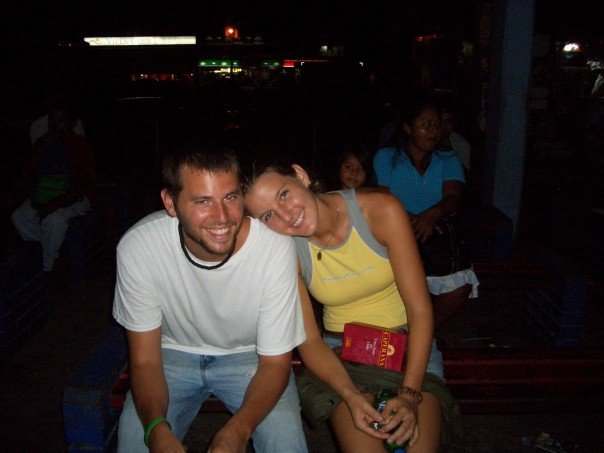
Robin and Dave
Thursday was spent going back to the beach, this time with our newly acquired beer and cooler, to watch the sunset.
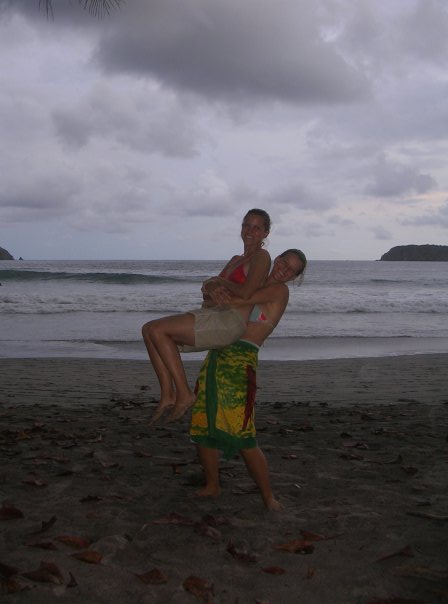
Robin and I on the beach
Friday Nick and I went to the national park for which the town of Manuel Antonio is named. We took a guided tour and saw white-faced Capuchin monkeys, Titi red-backed squirrel monkeys, (that makes three types of monkeys since I began my Central American adventure) three toed sloths, an anteater, lizards, and bats. We spent the afternoon lounging on the park’s beach, swimming in the calm waves, and guarding our peanut butter sandwiches and cheez-its from the Capuchins.

Parque Nacional Manuel Antonio
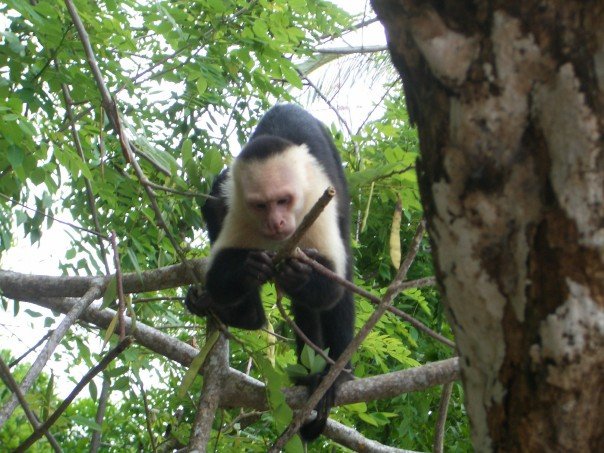
Capuchin
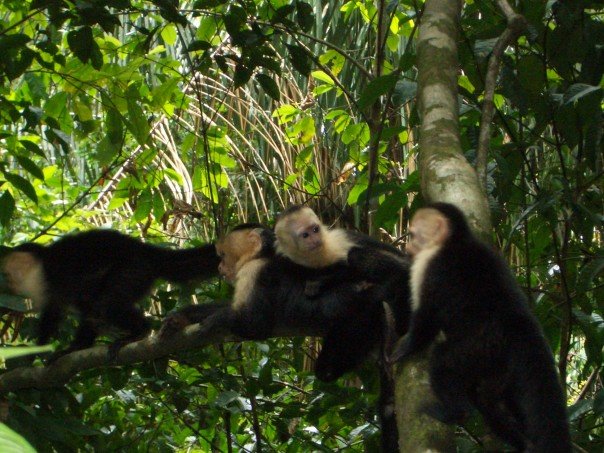
monkeys, monkeys, everywhere
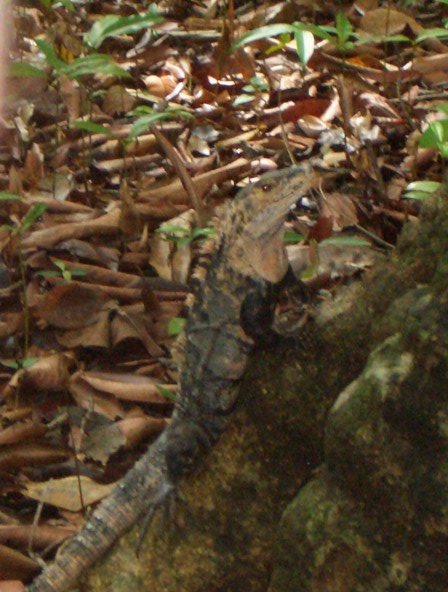
Lizard

Sloth
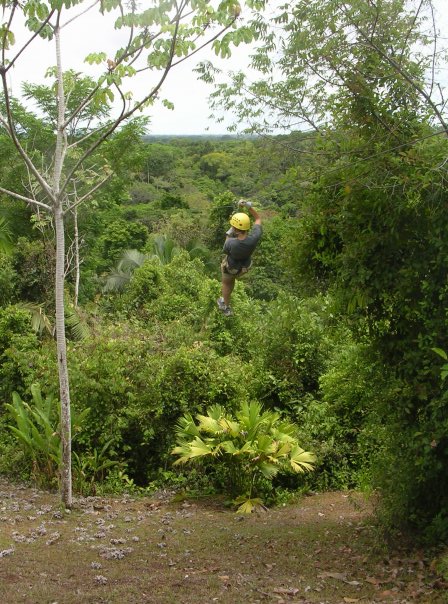
Saturday Nick and I took a Canopy zip-line tour, which was basically awesome. It included the added bonus of seeing poison-dart frogs.
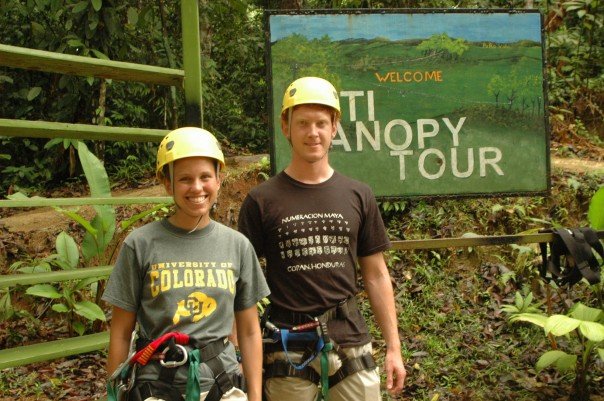
Canopy tour

Sunday was a fully scheduled Easter. We awoke at 11. Took Motley to the beach, struggled to find some freshwater source to wash off the ocean and sand (Manual Antonio was without water off and on all week due to the number of people that descended on the town during Semana Santa) and went out for dinner. The food was great, but not as impressive as the 1954 Model, Fairchild C-123 cargo plane that the restaurant was built around. On October 6, 1986 the sister plane of the C-123 at the restaurant was shot down over Nicaragua by Sandinistas, and an American CIA operative who had parachuted out was captured. The US had been funding the counter-revolutionary Contras in Nicaragua from profits reaped by inflated arms sales to Iran, and the CIA helped the Contras to buy, with the money they were given, several planes, including the plane that was shot down, and its sister that now sat across from our dinner table. On October 7th the US administration, State Department, CIA, and Department of Defense all denied that the plane that was shot down was in any way connected to the US government. On October 8th, President Reagan strongly suggested that he had actually approved the efforts by the Americans on board the shot-down cargo plane. And gradually, the Iran-Contra Affair was exposed. Due to the cargo plane being shot down over Nicaragua, it’s sister plane that was now at the restaurant was abandoned in San Jose. The plane was really neat. And now it also serves as a bar and nightclub.
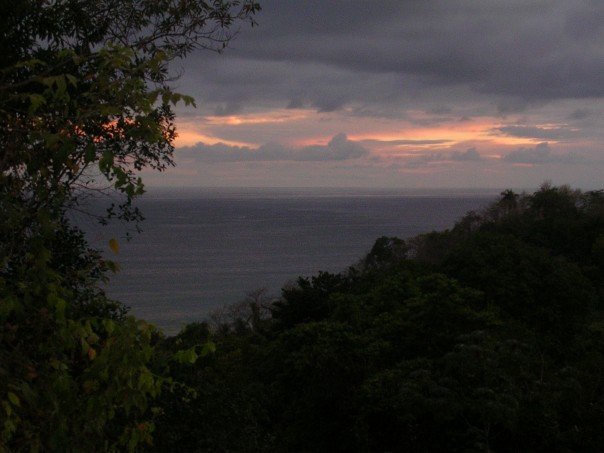
Sunset in Manuel Antonio

The plane
We began our trip back to Honduras on Monday, spending our first night at a terrific hostel in San José where we met some awesome people. One man had quit is job almost a year ago and had visited 23 countries since. Another was about to leave for the Peace Corps because he had gotten too comfortable with his life in New York City and the 300 dollar bottles of vodka that came with it.
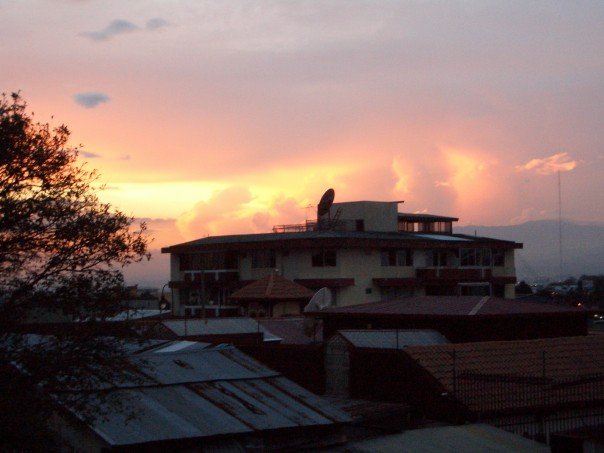
Sunset in San José
The border crossing back out of Costa Rica was shockingly more difficult than getting in. This time it involved waiting in a two and half hour line in the relentless sun, without shade or cover. Once we had gotten through the two and half hour line we got to wait in another line (under cover) that eventually meant we got to wait in another line inside to get our passports stamped giving us permission to leave the country.
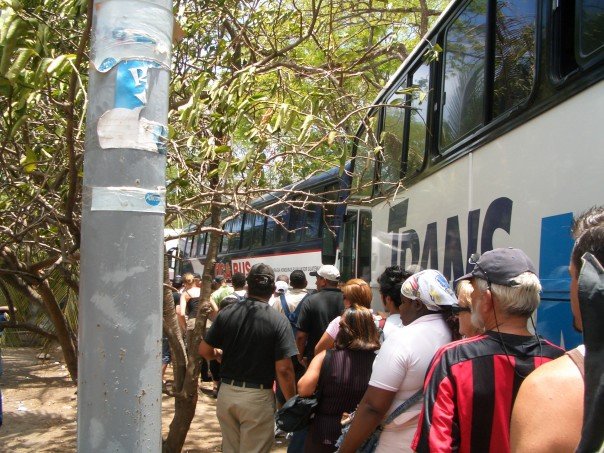
The line to get out of Costa Rica
Nicaragua from the bus was again stunning, and once again we spent a night in Managua. This time we had changed more money at the border so that we could have two orders of fried mashed potatoes.
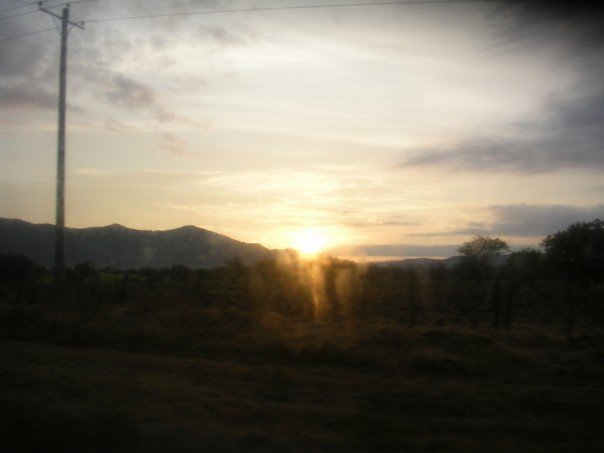
Sunrise in Nicaragua
We arrived in La Esperanza Wednesday. Tired, dirty, and pretty ripe smelling, but happy.
Posted in Honduras, Travel | 2 Comments »
Hi, I’m Erin
search this site
Pages
- Resume
- Writing
- Regulation of Associated Health Plans
- Tackling Obesity through Agricultural Policy
- Facilitating Access to Reproductive Health Care for Urban Teens
- Letter to the Editor re: DIA Redesign Plans
- Infant Health in Wigan, England during the First World War
- An op-ed — with the swipe of a pen, 25 percent of American children eat more vegetables
-

Yes, I tweet, sort of
Tweets by erinashmiller-

Top Posts
Tags
ASPE Dan engagement family friends Grad School health policy Honduras Italy life new years New York City preparedness Public Health Recipes South America study abroad techy stuff Thoughts tourist sites Travel Washington DCCategories
- Health Policy (5)
- Honduras (33)
- Italy (15)
- New York City (25)
- Public Health (32)
- Recipes (2)
- Reviews (1)
- Seattle (4)
- Thoughts (72)
- Travel (62)
- Washington DC (15)
My projects
Volunteering Links
Other Links
 You can get to
 Erin Miller