I have been busy since I last had a chance to update everyone. I have been partying hard and working harder. I have traveled both to Cop’n and to Utila, one of the bay islands. I have also made great progess on my volunteer work here. So here goes the update:
COP’N– “How long does it take to get there from here?” “Oh, only about as long as it takes to get from there to here.”
Riding on public transportation with live chickens — check.
Cop’n is located very close to La Esperanza. However, it is virtually impossible to get there from here. There are two options. Take an old American school bus along the unpaved, barely maintained, and extrememly narrow road to Gracias, and from there a paved road to Cop’n. This route requires about 5 hours on a bumby old American school bus, in 80 degree heat with dust flying at your face, and then another 3 hours from Gracias to Cop’n. Or, you can take the paved roads. This means that you can take a slightly nicer bus from La Esperanza to San Pedro, which takes about 3 and a half hours, and then take another series of busses to Cop’n which takes another 3 and half hours. Nobody who does the Gracias route once does it again. We had some people in our group who had gone via Gracias before, so we all went via San Padro. We arrived in San Pedro without many problems. But San Pedro is big, and HOT. It’s inland, low elevation, humid and hot. And it has several bus stations. So after getting dropped off at the big bus station we had to take an American school bus across town and then walk in 90 degree heat and 90 percent humidity, with our packs 45 minutes to find a bus station that had buses going to Cop’n. We finally found the station and boarded an old American school bus that would take us part of the way there. After 2 more transfers onto different sets of old American school buses, we were finally on our way to our destination. We arrived near sunset. But our last bus did have two women on it carrying live chickens (held upside down so that they were dizzy and quiet). It was the most fortunate thing about the whole adventure — I got to check one of my must-dos in Honduras off my list.
Cop’n is a beatiful and peaceful town with cobblestone streets that provided a nice respite from the dust. The ruins themselves were fabulous. The major dynasty began when a nearby king decided to expand his kingdom and arrived in the Mayan village on the first day of a Mayan significant 400 year period. (Think of someone from mars showing up on the first day of a new millenium.) He declared himself divine leader and started a dynasty. Cop’n had 16 rulers over the next 400 year period. The 16th ruler was the first to have no blood relation to the first dynastic ruler. Another 400 year period was coming to an end. The last king held several traditional games in the ball court. The winners of each game were sacrificed to the sun god (whoops, can believe I missed that ball). The last ruler then completed the longest hieroglyphic text in the western hemisphere depicting the 16 rulers of the civilization. Then as the 400 year period ended, he decided that the kingdom should pack up and head out; and in order to keep everything cool with the Gods, they did.
The last night in town the power went out around 5pm just as we were coming back from some nearby hot springs. Everyone said that the power always came back on in 5 minutes, an hour at the most. Right, I thought. And sure enough the power was out for at least the next 13 hours. Which meant that we did not get our warm showers our second evening. This was a significant bummer as the warm showers are one of the largest motivations behind traveling. Our hotel actually lost all water (electirc water pump of course) but they did set a bucket of water outside our door to use for bucket showers. We packed to go home in the dark.
The voyage home went much the way as the voyage out. But once we were finallya reasonable distance out of San Pedro, the bus broke down. The driver got out and banged at the moter with a wrench to no avail. But as a group we had tremendously improved our ability to travel Honduras style. We just waitied, sun bathing on the side of the road for someone to come by. And whether it was by purpose or accident, another bus came by to take us to our destination.

Cop’n ruins

The bus
UTILA– dancing on a dock over the Carribean under a full moon — check.
The trip to the bay islands was much smoother, despite is greater distance. Once on the islands we sunbathed, snorkled, ate and danced. The beaches are Carribean white sand and a nice contrast to the volcanic stone beaches of Italy. I spent lots of time just reading on the beach. Peaceful, beautiful, and wonderful, and my legs still itch from the sandfly bites.
WORKING IN LA ESPERANZA — Washing my whole body and hair with only one bucket of mostly clean water — check.
It has not all been a Carribean vacation. I have actually been getting lots of work done as well. Giving the food out at the Albergue has been going very well. The woman are very receptive to my information about nutrition and family planning. Thank you to all of you who have already made donations! I have enough for at least the next 6 to 8 weeks or so. If anyone is still looking for seomthing to donate to, I can definitely use all the money I get. Please see Make a Donation to help feed pregnant women in La Esperanza, Honduras
We also finished painting the center for children of single mothers. And with some free time on our hands, I organized a group of us to get a fresh coat of paint down on the Albergue as well. It looks much better. The Albergue is well, sort of gross. The kind of place where when someone first offers you a chair you respond– “Oh, I’m alright, I’ll stand.” The women clean the floors daily, but there is only so much you can do when the walls are falling apart. The Albergue is made of adobe that was mixed with bad dirt, so the walls are falling away and there are large holes throughout the place. Rats, mice and worms live in the walls. The sink, which I doubt ever worked, is falling off the wall. It needs more work than we knew how to do, but it looks much better in sky blue. When I returned to my homestay from a full afternoon of painting I looked like something the cat dragged in — covered in paint and cobwebs. The water was not working. Not even the pump outside. I walk into the kitchen and said to my host mom, “No hay agua.” “There’s no water.” “No, no hay agua.” “But I need to bathe.” She looks up at me, “Ooomph, you do need to bathe.” The water had been out all day, there was barely enough to cook with. But she filled a bucket with our old laundry water and I took a bucket shower, full on. Washed my hair and everything. It was kind of fun once I got the hang of it. Definitely a skill I am developing. I hope to eventually be as good as the natives and bea ble to bathe my entire body and wash my hair in only a half bucket of water.

Albergue before
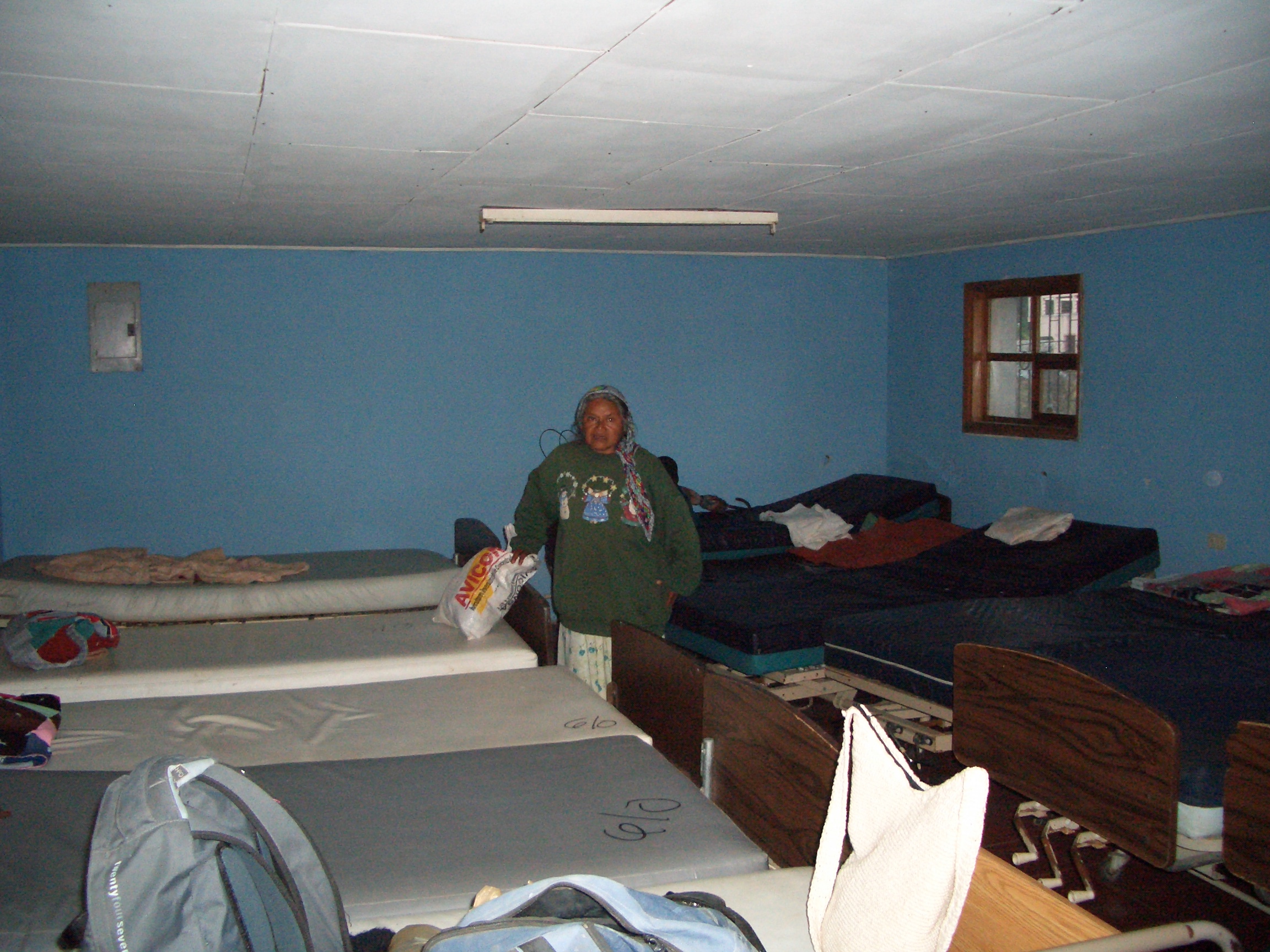
Albergue after
WORKING WITH LA BRIGADA DE LOS MEDICOS — pulling two 3/4 inch botfly larva out of a girl’s scalp — check.
I spent the last week traveling all around the department of Intibuca, Honduras, setting up makeshift medical clinics in rural communities with a brigade of doctors from Ohio. It was an amazing and completely exhausting week. I spent most of my time translating at one or a couple of the clinic stations. We saw all sorts of interesting stuff that had the medical students jumping out of their pants. The most exciting case was definitely the botfly larva. A girl cme in with a serious legion on her head. We had one surgeon on the team providing basic surgeries. He took a look at it and cleaned it up. The girls screamed and he said he had finished. The translater that was working with him said, “no, the mom says that there are worms in there and she can see them.” This prompted a deeper examination and a minor surgery to extract the larva. Two 3/4 inch larva living inside a girls head. Gross. I do not want to be a doctor. But I will work on uploading pictures from the brigade once I get them for all you doctor types. I found myself actually quite knowledgeable about the botfly due to an article I read just before I left. Two days before I left the States my mom handed me a medical journal with an article about a child having a larva removed from just above his eye. My mom had me read the article only to increase my comfort level at coming to Honduras. And what do you know, the information actually came in handy. We also splinted up a boys arm, saw several cases of chicken pox which were only exciting due to their new-found rarity in the states, and saw several cases of Filariasis (when some larva grows into an adult worm inside someone and then dies in their lymph nodes creating a significant swelling, particularly of the lower extremities.) We saw tons of cases of scabies and lice, and now that I am thinking about it, my head did sort of itch this morning…The doctors treated about 300 people a day. People would walk two hours or more to come to the clinic. One night we worked well into dark using wahtever headlamps, flashlights and candles we could find. It was a terrific experience from a public health point of view. Friday night we had a presentation of thanks at the mayors office followed by a terrific dinner and dancing.
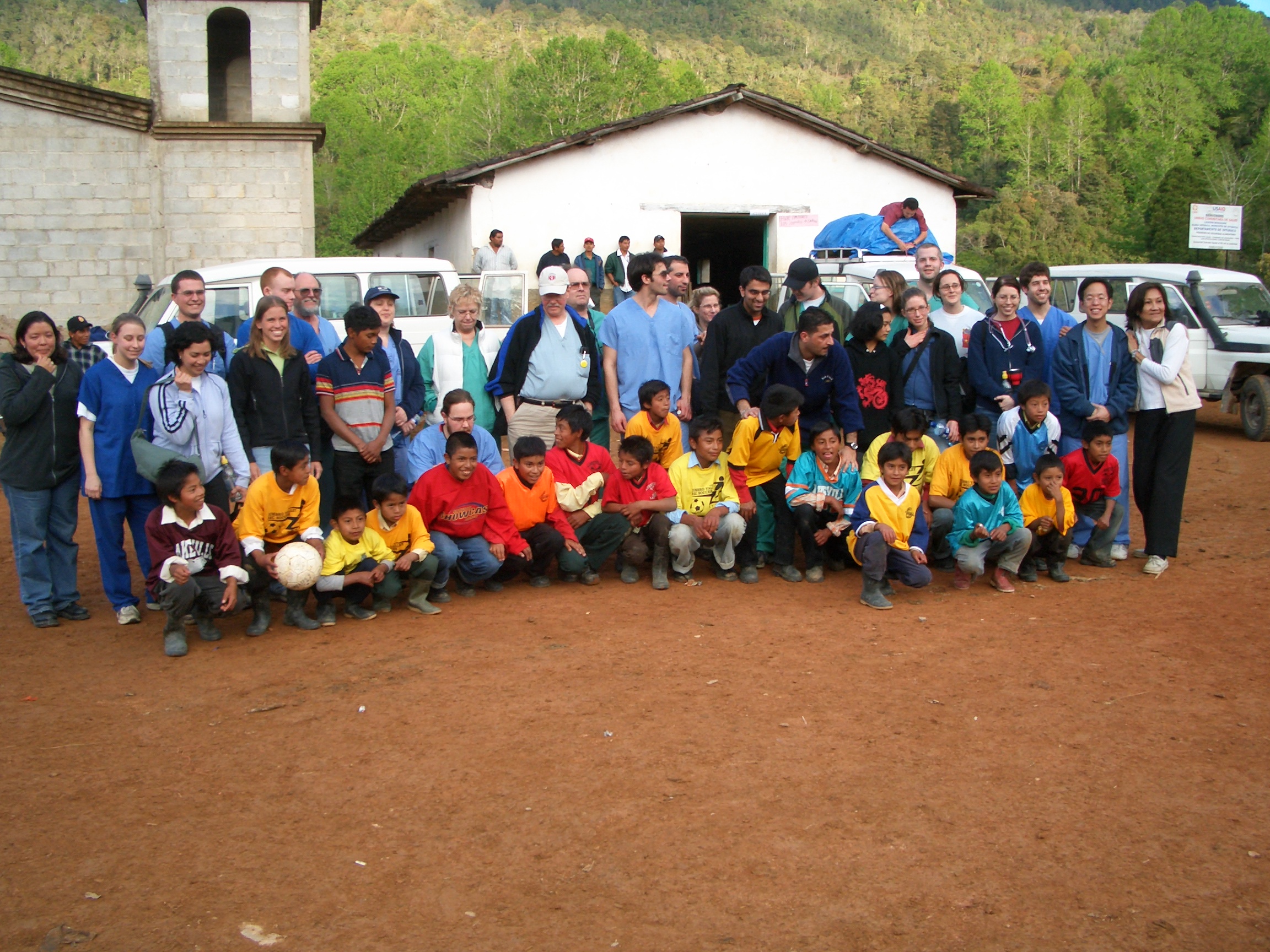
La brigada de los medicos

extracting the botflies

the botflies
Sorry for such a long update. I’ll try to do better about updating more frequently. I wish you all the best of luck against the botflies.
Archive for the ‘Travel’ Category
“Que hora es?” “Ya. Ya, o mas tarde”
Posted in Honduras, Public Health, Travel on March 10, 2007| 12 Comments »
living in the dark
Posted in Honduras, Travel on February 21, 2007| 8 Comments »
Hola,
Sorry for the delay in communication. Everything is fine here in La Esperanza. We were without power for a couple of days on and off, and about 16 hours straight. A strong storm system moved through town. Temperatures plummeted and the air filled with blowing mist. Rumor is that it was the wind that knocked out the power, but that’s unsubstantiated. Then the entire region of Intibuca had some sort of problem with their internet, and therefore, their phones. But things seem to be working at the moment. The pace of life is slow here, but it becomes a crawl with no power. I guess it is part of the challenge of living in a developing country. It is interesting to talk to people living more normal lives back in the States and to hear about all the things they are doing, like working on projects, or filing taxes, and to realize that the biggest thing I accomplished in the last 48 hours was peeing in the dark. It gets REALLY dark here, darker than I have ever seen it anywhere. When the power is out, you cannot even see the edge of the street you are walking on. The biggest power outage started Saturday night. All us gringos were hanging out at our favorite over-priced bar in town (still about a dollar a beer) when the power cut. The Hondurans all pulled out their cell phones to create some light. Our table had ten people with LCD headlamps out immediately.
Despite the slow pace of life, I have actually been managing to make some headway on my project. I am working on setting something up to receive donations for food for the woman in the Albergue, and hopefully that will be up soon. I am going to try to bring food in once a week, every tuesday, and give small talks, or “charlas” every Tuesday and Thursday. Monday, Tuesday, Thursday, and Friday I also make rounds with the woman at the hospital who have either just had an abortion, or just given birth. I enocurage birth control and discuss possible options. I also discuss infant and child nutrition and answer any questions they might have. Today a woman asked me if it mattered what she ate while she was breastfeeding. I said not really, as long as she ate a bit more than usual and she said that she had heard that she couldn’t eat anything green. She was really dissappointed becuase it’s green mango season here now, and she loves them. All Hondurans seem to love unripe mangos. They peel them, cut them up and but salt and chili sauce on them. I’ve been trying to acculturate myself by buying them off of the street vendors. At first its a bit weird to be eating unripened fruit, but its grown on me. I assured the breastfeeding woman that she could continue to eat her mangos. It looks like Wednesdays I will be working with CARE — pronouced “ca-ree.” Its a combo Honduran, USAID project that provides supplemental food and nutrition information to pregnant and breastfeeding woman and infants and children up to age 2, who live in rural areas (sound familiar?) I’ll be traveling all around the region of Intibuca with the group. A bunch of doctors from some midwestern state are coming to La Esperanza March 5-9. The doctors will be traveling with CARE for the week, and I have also been asked to come along, with the promise that I won’t have to translate the whole time. Either way, it sounds like fun.
On our spare time, all us volunteers have also been painting a center in town for children who are born to unwed mothers. The children stay at the center all day while their mothers work, mostly at the market. It was a depressing place that smelled of urine and looked like something on those 20/20 type news specials. We’re working on a solid cleaning and a munch needed new coat of paint, and the place looks better already. Its amazing how fast 15 people can paint a room.
I had a lovely Valentine’s day, possibly one of the best ever. I was incredebly sad to be away from my boyfriend, and to have missed out on the traditional chocolate from my mom, but it was still a pretty great day. I got to spend a day thinking about a boyfriend who loves me, even though we are 2,000 miles apart. After a great chat with the woman at the Albergue all of the children and my host mother and I all took a grand hike up the mountain behind our house. It was a terrific muddy adventure and provided great views of our part of the city. And then after the hike, because it was still relatively early in the evening, I got a reasonably high pressured (and therefore, fast) freezing cold shower. I was just so excited to be able to have lots of water and be able to go quickly, I was ecstatic. It’s amazing how my standards have changed.
Last weekend I took a small trip with the my host mother and the kids. We took a short bus ride to a nearby water park down in the valley by a river. It was peaceful and quiet and clean, and a nice change from the city. We walked by the river, and though the cold front was already moving in, it was warm enough in the valley for a couple of the kids to jump in the pools. I got to spend most of a day just talking and joking with my host family and practicing Spanish.
My birthday is tomorrow and I have been working for a week solid to gather all of the necessary ingrediants to make chocolate chip cookies, and I think I have managed to collect them all. Hopefully it all works out well and the children like them.
I had better head out because we are about to take a tour of a genuine Honduran winery (I have a feeling we will be traveling half an hour to look at a bathtub, but we’ll see how it goes.)
Warm weather has returned here, and I am stoked. I send any of you suffering through a cold spell warm carribean thoughts.
Adios,
Erin
People do not walk their dogs here
Posted in Honduras, Thoughts, Travel on February 15, 2007| 4 Comments »
They do walk their pigs, horses and bulls.
Feliz Dia de San Valentin y las cascadas
Posted in Honduras, Travel on February 14, 2007| 1 Comment »
Happy Valentines Day Everyone! My boyfriend wrote up a great post about it, so you can check out his site if you feel like it. (see left.) This is just about the only time I can remember having a boyfriend on Valentines day, and it is ironic to be spending it 2,068 miles away from him.
I am currently sitting at an internet cafe in el centro, sweating, and listening to loud hipsanic music drift in from the street. I will gladly take the sweat over the freezing temperatures in Denver right now. My town in Honduras has grown on me and I am feeling more confortable in it. I can now see its beauties and charms.
I think I have also found some good work that I will be able to do here. This morning I talked to some women who are staying at the Albergue at the hospital. Women who live in the hills (who are mainly of Lenca decent) cannot give birth out alone in the country (or they chose not to,) so as they near the end of their pregnancy, they move into an Albergue at the hospital. It seems more like a makeshift village. The woman cook their food and wash their few clothes outside and sleep on old hospital beds. Most of them have no idea how long they’ll be there or when they’ll deliver, as they have never had an ultrasound. There are six women in the albergue now. Once they got over their shock at seeing a gringa, we had a great converstaion and they have tons of questions about their own nutrition and health, and how to feed their children. I will spend some time this afternoon making two posters to present to them tomorrow. One on birth control and one on nutrition during pregnancy. One of the most basic things they could do for their health and the health of the babies is to get enough to eat, as most of them are hungry most of the time. The food here in town is too expensive for them to buy.
My host family has a cat, two dogs, an assortment of chickens, a very loud rooster, and I think we have some cows too. There are probably other things I am missing. Anyway, I asked the woman who does our cooking if its a problem having the dogs and chickens together. “What do you mean?” “Well, my dog would try to eat the chickens.” “Oh, it is the same here.” “umm, OK, I said.” Aparently, this is not a problem.
Last weekend, all fifteen of us gringo volunteers in town took a trip to nearby lake Yojoa, the largest natural lake in Honduras. It was a great chance to get out of La Esperanza and see a bit more touristy area of the country. I loved the lake, though it might have had something to do with the very welcome lukewarm showers. There are some relatively famous waterfalls (cascadas) close to the lake. We had all heard of them from people who had been in country awhile and from our guidebooks. Our in-country program coordinator explained that we could get a guide to walk us behind them. She said that there is about “10 seconds” where there is lots of water and its a tiny bit scarey, but then you are behind them and its beautiful. She had painted this image of a tranquil tropical waterfall, with a breif, easy walk we could take to float behind it. So, Saturday we made our way out to the falls. As we walked in the entrace gate, a young man introduced himself as a guide to the falls. We negotiated a price, stowed our bags, and he led us down to the bottom of the falls. He undid a lock on a gate blocking off a trail along the rocks. We were a good little hike in when he finally thought to ask, “Can everyone swim?” As soon as we all nodded our heads, he took the first pluge of the day, about a 7 foot jump into a calm pool of water. We followed. We climbed out on the other side of the pool and continued to follow the guide closer to the falls. There is nothing peaceful or tranquil about a 43 meter waterfall. The water hit the ground with an incredible force. The spashback began to get thick, and it was getting difficult to see. I began to think that we must be just about done with the “10 second” part with lots of water when the guide turns to me “Ok, this next part has lots of mist. Don’t be scared. Breath through your mouth.” We all linked arms and followed our guide further into the falls. I couldn’t see at all, it was difficult to breath; water came up from all directions. We waited as all of the volunteers made their way through, and proceeded further into the falls. We got out of the worst of the mist and the guide says, “look up.” And there we are, standing behind a 43 meter waterfall.
We weaved in and out of some of the caves around the falls on our way back out. As we neared the exit to the falls, the guide pointed out a 10 meter jump into some relatively calm water. He said it was safe and that people could jump if they wanted to. All the boys made the plunge. I had to follow. It was high enough for you to actually have some time in the air to think about the fact that you were flying. Overall, the expiernce provided one of the best adreneline rushes I had had in a long time, and comes strongly recommended.
One of the most humorous aspects of the weekend spent traveling was the difficulty my British counterparts had traveling in a country that doesn’t have time tables. If you want to take a bus, you walk to the the road the bus goes on and wait for it to come. You might wait 2 minutes, you might wait an hour, but you just sit and wait. The Brits couldn’t stand not knowing when we would get to wherever we were going. I guess that’s what happens if your country has an incredibly efficient, and timely, train system.
Feliz dia de San Valentin and adios,
Erin

El polvo
Posted in Honduras, Travel on February 8, 2007| 7 Comments »
I am safely in Honduras and the midst of culture shock. The country is beautiful and the people are friendly. The degree of poverty shook me a bit. Most of the roads are dirt, and its the dry season, so its a blowing, dusty, dirt. People take whatever left over water they have and throw it on the street in front of their house/shop to keep the dust down. As I walked the about 2 miles to the hospital this morning for work, an elderly man walking along side me said “cuidado! mucho polvo!” As he gestured for me to duck further into the side of the street as a large truck passed throwing dust 8 feet into the air.
La Esperanza is a beautiful town and I have finally gotten my bearings. I walked to the hospital and to the town center today and only got alittle lost.
I spent last Sunday night in Houston and had some added excitement getting to the airport to fly to Honduras Monday. I awoke in my hotel with just enough time to take one last warm, leisurely, American shower, eat a last balanced and free American continenetal breakfast and head to the airport. As I tried to open my eyes, I realized my right eye was swollen and my lashes were stuck together. “Oh crap, pinkeye.” I peeled my eyelids apart and frantically splashed water on my face. I threw my stuff back into my pack, my eye filling with pus, and rushed downstairs to call a cab and check the internet for 24-hour pharmacies. Finding 24 hour pharmacies online is easier said than done, but thankfully, just as I rushed to the waiting cab, a man at the counter knew of one relatively close. Thank goodness my parents are doctors; I phoned my mom from the cab to call in the RX. The pharmacist had this crazy obsession with insurance cards and ploicies… “I’ll pay cash! I need to catch a flight!” I was able to get the prescription and get to the aiport on time. The whole experience lightened my wallet about 60 bucks. $60 is about 1000 lempira.
It was on the plane that I first encountered one of my most valuable resourses on this trip, and one that I had alrgely overlooked when thinking about what the experience would be like — my fellow volunteers. “This might sound strange, but I couldn’t help but noticing your paper has i-to-i on it?” Megan is, like most of the other volunteers, an 18 year old, here to enjoy a strangely British phenomena known as a “gap year.” They take a year off between high school and college, earn as much money as they can in 6 months and then blow it all traveling and volunteering around the world. Terrific idea. There are a couple of other volunteers about my age, one grandpa, and one middle-aged couple. They have been unbelievably helpful. I am the only volunteer working in the hospital, and the only one living with my family, though a few others live only about a ten minute walk away. We spent the first night in Honduras in a colonial town outside the capital called Valle de Angeles. A cute town with cobblestone streets and everything. It would have been like any tourist town in mexico except that there was a donkey being loaded with cornmeal outside one of the small markets. Tuesday, we made the 3 and a half hour bus journey to La Esperanza.
I am living with a nurse and her microbiologist husband. One of the wealthiest families in town, and one of the few in which both parents work. They have a woman who “does the cooking” and helps look after their three daughters. I brought some floam for the girls and the were generally amazed by it, it was a great icebreaker. The five year old, Karly, (Karlita) can write my name, though as in Italy, not a single person can pronounce it. The girls enjoyed looking at my pictures. They think the dogs are pretty, and my host mother thinks that my mom is incredebly young-looking and that she has a gorgeous garden. They all think my borfriend is good looking and that Rachel’s wedding dress was stunning. Karlita saw a picture of my five-year-old cousin Hannah and was amazed to learn that there are five-year-olds all over the world. I have had some good times helping the children with their English and speaking with my host mother in Spanish. When the water is running, a bucket is filled under the sink and then the water used from the bucket to make dinner and clean the dishes so that as little as possible is wasted. I am living in an incredebly nice, large and clean house. I have my own bedroom and even my own bathroom. When the water is running I have my very own freezing cold shower. Its really more just like a faucet placed high up that drips really cold water. Its cold enough to take my breath away. But when it runs, it runs, and I realize that this is the first time in my life I have ever had my own bathroom.
One of the things that has struck me most about life here is the lack of waste. It seems that poverty forces a rather amazing level of conservation. Rarely are plastic plates or utentsils used, or any utensils for that matter. Each person gets one small paper napkin with their lunch. All the leftovers are taken home for the family dogs.
My work as been alright. I am just sort of getting use to things. I have been working in the lab, which is about my least favorite area of hospital work, but despite myself I have been learning some new things and sometimes find myself enjoying the scientific processes involved in diagnosis and bacteriology. I think that next week I will be working with some pregnant women in the hospital. My host family was exctied to learn that I had some experience working with pregnent women and explaining the benefits of breastfeeding and how to feed young children. Apparently many children still get very sick here from drinking from bottles that haven’t been adequetely cleaned, and that sort of education is really related to my thesis, so that might all work out really well. There is definitely lots of good to be done in town and I’d guess I’ll find a way to do some of it.
I miss my family, somehow being around another really nice family makes me miss mine. And I miss Dan like crazy and, of course, my pup. Sometimes being here seems so hard that its almost overwhelming and I nearly break into tears. But then, the water comes on again at my host family’s house, or one of the family dogs will walk with me to meet up with other volunteers to grab a beer, or someone will go out of their way to be friendly towards me and everything seems fine. The other volunteers have been a terrific source of support. We’re planning a weekend trip to some nearby waterfalls, and hopefully that adventure will be in my next post.
Adios

Feliz Navidad
Posted in Thoughts, Travel on December 24, 2006| 2 Comments »
So, I figured it was time for a holiday update. And crazy enough, it looks like it might actually get to all of you in time for Christmas. I had some time to put into it due to the blizzard that shut down the city and given me a day and a half without work. Denver was in a state of “disaster emergency.” The snow total from early Wednesday morning though about noon on Thursday was exactly two feet. I have an easy walk to work in Denver and enjoyed the extra time to keep in touch with friends and family and to get some last minute shopping done.
Graduate School….$60,000, Volunteering in Honduras for 4 and a half months….$8,000. Getting up at 7:20 EVERY morning and going to work…a small bummer, Taking a trip to Mexico with your boyfriend at the tender age of 22…priceless. Dan and I went to Mexico for five days in mid November. We decided on Mazatlan. A historic fishing town, more modernly known as the home of Pacifico beer. The town has both a historic city full of genuine Mexican culture and a nice resort area making it a great compromise between our travel tendencies. We spent the first two days in the city. We spent the first night in a very historic (read: old) hotel that had experienced a hay day during the roaring twenties. It was the first beachfront hotel built in the city. The pool was crafted from imported tiles that were still stunning to the eye. It was filled but the black pipes bubbling along its interior made it less than inviting. One could look over the pool and see the historic scene of crisply clad waiters rushing drinks over the bridges spanning the pool to the thin women in conservative bathing suits longing on the tile recliners taking long drags on their cigarettes. Sometime around the Second World War mayor was assassinated in the courtyard by the pool and the hotel closed for a long time. The city allowed homeless people into the resort in an effort to keep the mice populations down. The hotel reopened during that latter half of the twentieth century and little modernization had taken place. The private balcony with an ocean view was impressive but the colonies of mold in the shower and the dirty sheets caused Dan and I to move to a newer hotel a few blocks away and still on the beachfront for our second night in the city. We concentrated on keeping our mouths closed in the showers, but we took small shots of tequila after showering, just to try to be on the safe side. We ventured to the market in the city. It was built in the mid 1800s in “Old-New Colonial Beach” architectural styling, supposedly the same architectural style as the Eiffel Tower. It was loud, crowded, and full of the scent of slaughtered animals. I made Dan eat lunch there. When the women asked if we wanted fresh vegetables over our quesadilla and we violently shook our heads “no” she and the other woman working the stand laughed hysterically at the gringos. The food was good and cheap; and, we didn’t get sick. We also spent a lovely afternoon at Isla de la Piedra, walking along the nine mile white sand beaches and swimming in the ocean, Dan took me on my first banana boat ride. We ate platefuls of local food with plenty of shrimp, the city’s specialty. We spent our evenings at the plaza eating more delicious food and drinking sodas without ice, though we learned at our last night in the city that all of the ice cubes in the entire city are imported and purified. After two days in the city we took a golf-cart taxi to the resort area where we spent our days lounging on the beach and drinking the fully purified water from the shower. Dan treated me to my first room service experience. We spent one night clubbing until 5 in the morning. While Mazatlan is known as the home of Pacifico, it is famed for its brilliant sunsets and we caught every one of them relaxing and looking out over the ocean as the entire globe of the sun turned brilliant orange and then slipped under the horizon of the ocean in a matter of seconds. The sun’s departure was followed by a brilliant purple glow that caused me to marvel at our smallness.
After the trip to Mexico, I spent several stress-filled weeks studying for the GREs and completing my graduate school applications. After significant preparation, I didn’t do as well on the tests as I would have liked and I hope that schools can find the other strengths in my academic record. I should hear back from programs by the end of March.
Time to move–again. Dan’s best friend has moved into town and last weekend all three of us moved into a bright green house two blocks from Dan’s old apartment. We found a great deal on a 4 bedroom, 3 bath house in the middle of the city (OK, admittedly it’s a bit on the eastside of the city, in an area known and famed as “five-points.”) It is really a charming house and has been a nice change form the 700 sq ft apartment. Spot has enjoyed being the guard dog; she also likes her new fenced yard and running up and down the stairs. As soon as we had moved the couches into place, we threw a rockin’, keg-kicken’ party in an effort to recapture the lost days of our youth. It was great to get to see everyone and nothing warms a new house like 15 people sleeping over the first night in the place.
I leave for Honduras February 4th and I will be volunteering in La Esperanza for four months. I’ll try to send out one last update before I leave. I hope that all is well and merry this holiday season. I send my love to you and yours.

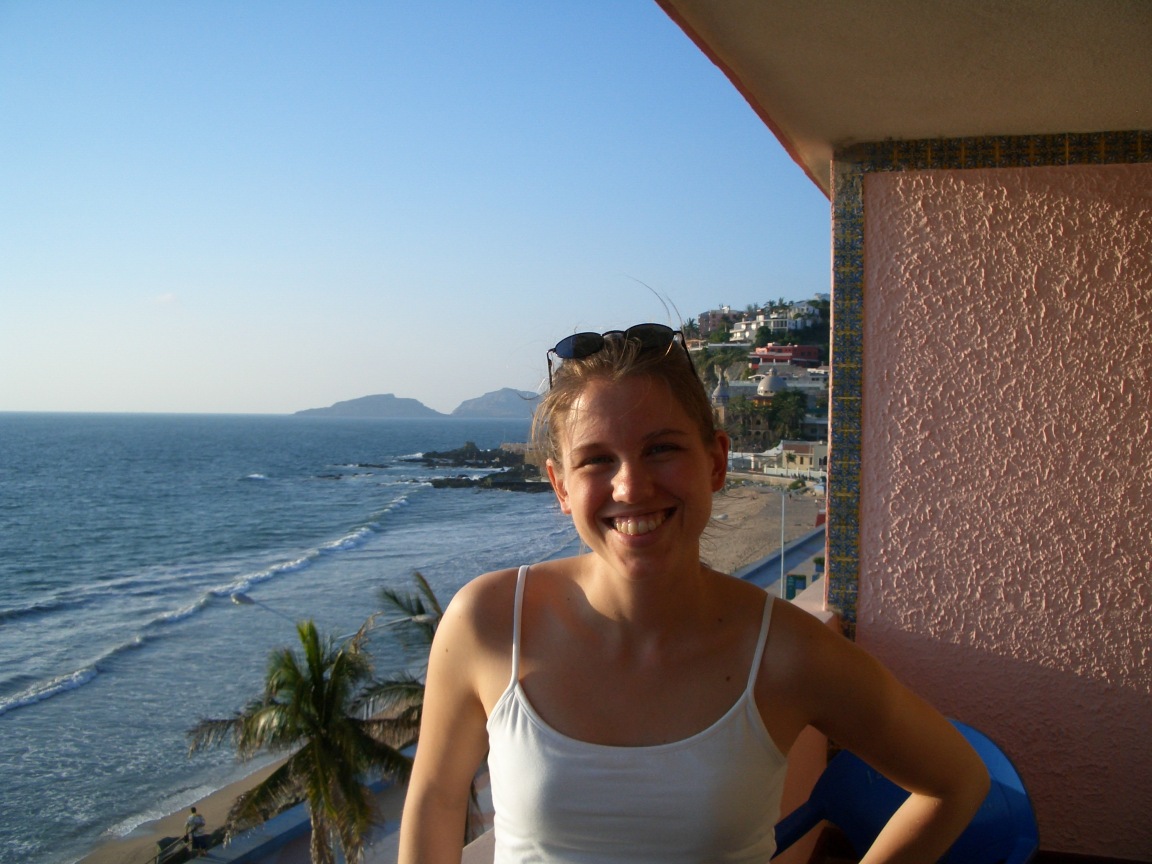

Hi, I’m Erin
search this site
Pages
- Resume
- Writing
- Regulation of Associated Health Plans
- Tackling Obesity through Agricultural Policy
- Facilitating Access to Reproductive Health Care for Urban Teens
- Letter to the Editor re: DIA Redesign Plans
- Infant Health in Wigan, England during the First World War
- An op-ed — with the swipe of a pen, 25 percent of American children eat more vegetables
-

Yes, I tweet, sort of
Tweets by erinashmiller-

Top Posts
Tags
ASPE Dan engagement family friends Grad School health policy Honduras Italy life new years New York City preparedness Public Health Recipes South America study abroad techy stuff Thoughts tourist sites Travel Washington DCCategories
- Health Policy (5)
- Honduras (33)
- Italy (15)
- New York City (25)
- Public Health (32)
- Recipes (2)
- Reviews (1)
- Seattle (4)
- Thoughts (72)
- Travel (62)
- Washington DC (15)
My projects
Volunteering Links
Other Links
 You can get to
 Erin Miller